Wearable Technology Integration Reshapes Real-Time Choices in Sports Betting Arenas
Cameron Krause · Sep 18, 2026
Wearable Technology Integration Reshapes Real-Time Choices in Sports Betting Arenas
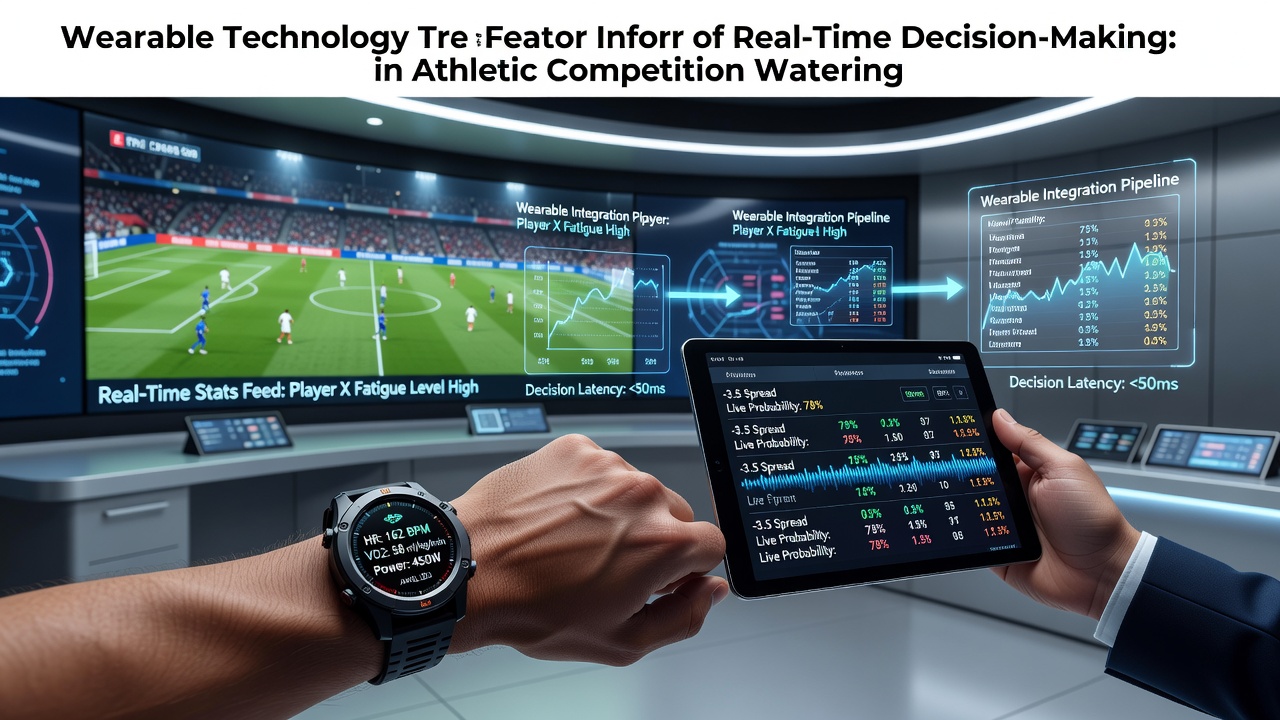
Advancements in wearable sensors have begun feeding continuous streams of physiological and movement data directly into sports wagering platforms, allowing bettors and operators to adjust positions while events unfold. These devices track metrics such as heart rate variability, muscle oxygen levels, and acceleration patterns, which platforms translate into updated probability models during matches. Data from professional leagues shows increased adoption of such technology across multiple sports, with integration accelerating notably in September 2026 when several major platforms announced partnerships with device manufacturers.
Biometric Feeds Enter Live Betting Ecosystems
Professional athletes in leagues including the NFL and European soccer divisions now routinely wear compact sensors that transmit information in real time, and betting operators have started incorporating select anonymized datasets into their systems. Observers note that this creates opportunities for dynamic odds adjustments based on indicators like fatigue signals or recovery rates between plays. Researchers at academic institutions have documented how these inputs differ from traditional statistics because they capture internal states rather than just external outcomes, giving platforms new variables to factor into live markets.
One study released by the University of Sydney examined correlations between wearable-derived exertion data and in-game performance shifts across Australian rules football seasons, revealing patterns that operators could apply when recalibrating prop bets. Bettors accessing these enhanced feeds through mobile apps can then evaluate whether a player's current biometric profile aligns with historical benchmarks before placing or cashing out wagers mid-event.
Platform Architecture Updates Support Continuous Data Streams
Software updates rolled out by major providers in 2026 enabled seamless ingestion of wearable outputs alongside video and statistical layers, reducing latency between sensor capture and market reflection. This architecture supports multi-source fusion where heart rate spikes detected during high-intensity periods might trigger temporary odds movements on related player props. Those who have examined the systems report that security protocols ensure compliance with data privacy standards while still allowing aggregated insights to reach trading desks.
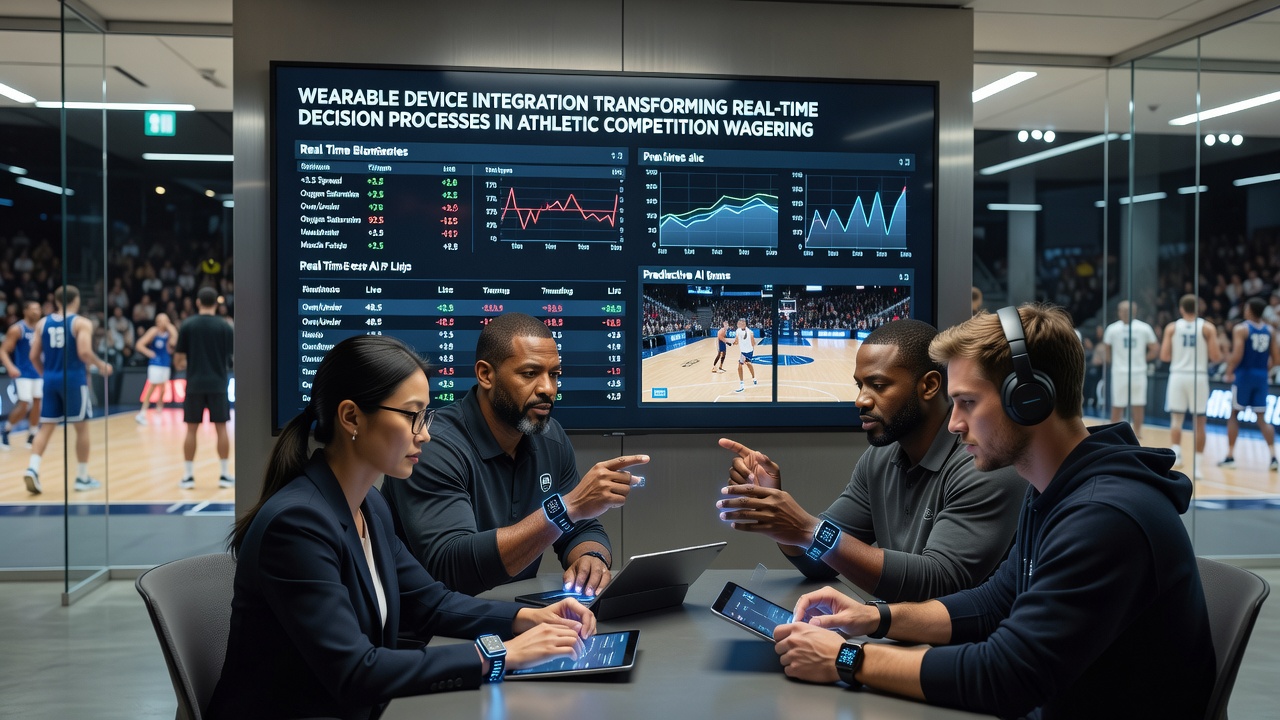
Take one trading team at a European operator that integrated accelerometer data from basketball players to refine live over-under lines on individual scoring bursts. The adjustments occurred within seconds of detected movement changes, illustrating how the technology compresses decision windows compared with earlier reliance on visual scouting alone. Figures from industry reports indicate participation in such data-enhanced markets rose steadily through the summer months leading into September 2026.
Regulatory Responses and Data Governance
Government agencies overseeing gaming markets have issued guidance on handling biometric information within wagering environments, emphasizing consent frameworks and aggregation requirements. In regions such as parts of Canada and Australia, regulators have required operators to demonstrate that wearable-derived signals do not create unfair advantages for any participant group. These rules encourage standardized formats for data sharing while preserving competitive balance across betting platforms.
According to documentation from the Nevada Gaming Control Board, several licensed operators submitted testing protocols in mid-2026 that detail how wearable inputs undergo validation before influencing displayed odds. This process mirrors earlier integrations of tracking data from league partners but adds layers for physiological variables that were previously unavailable.
Impact on Bettor Behavior and Market Liquidity
Market liquidity in certain live prop categories has shown measurable shifts as participants gain access to biometric overlays through their apps. Those monitoring activity patterns note quicker response times to emerging signals such as elevated heart rates during overtime periods, which correlate with adjusted wagering volumes. Academic papers have explored how this transparency influences self-regulation habits among frequent users who now factor personal device readings into their own choices when betting on parallel events.
Yet the expansion also raises questions about data accuracy during equipment malfunctions or signal interference, prompting developers to build redundancy checks into their pipelines. Evidence from platform logs demonstrates that markets remain stable even when individual sensor feeds drop momentarily because fallback models revert to conventional statistics until reconnection occurs.
Conclusion
Wearable integration continues expanding the information layers available during athletic competition wagering, connecting sensor outputs with decision frameworks that operate on compressed timelines. Operators, regulators, and researchers each contribute to shaping how these streams translate into actionable market features while maintaining established oversight structures. The developments observed through September 2026 point toward further refinement of data fusion techniques across additional sports and jurisdictions.